
Tawang – Where the Himalayas Touch the Soul
There are places you visit for their beauty, and there are places that
quietly transform you. Tawang belongs to the latter.
Introduction
Nestled at an altitude of nearly 3,050 metres (10,000 feet) in the westernmost corner of Arunachal Pradesh, Tawang is one of India’s most extraordinary mountain destinations. Here, ancient monasteries overlook emerald valleys, colourful prayer flags flutter in the crisp Himalayan breeze, and every winding mountain road unfolds another unforgettable
story.
Tawang is far more than a destination—it is a harmonious blend of spirituality, history, breathtaking landscapes and the timeless warmth of its people.
The Spiritual Heart of Tawang
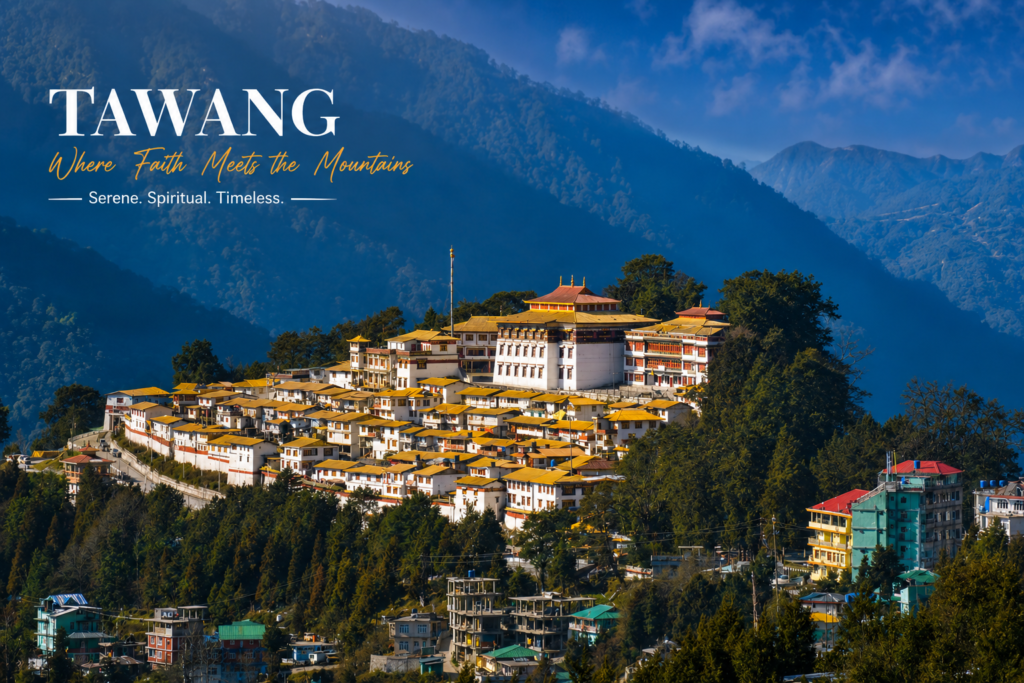
Dominating the skyline is the magnificent Tawang Monastery (Galden Namgey Lhatse), founded in 1680 by Merak Lama Lodre Gyatso under the guidance of the Fifth Dalai Lama. The largest monastery in India and the second largest in the world, it has remained the spiritual heart of the region for over three centuries.
Stepping through its ancient gates is like entering another world. The rhythmic chants of monks, the fragrance of incense, centuries-old Buddhist manuscripts, intricate murals and colourful prayer wheels create an atmosphere of serenity that lingers long after you leave.
Through Sela Pass
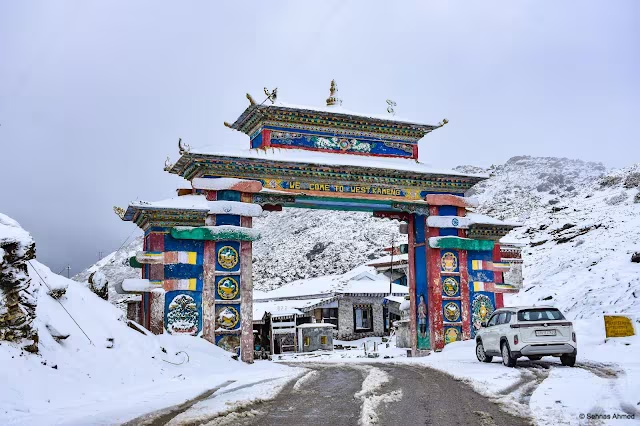
Situated at over 4,170 metres (13,700 feet), Sela Pass is among the highest motorable mountain passes in India. Snow-covered peaks, glacial lakes and endless Himalayan vistas accompany travellers throughout the drive. Along the route, visitors often encounter majestic Himalayan yaks grazing peacefully.
Jaswant Garh
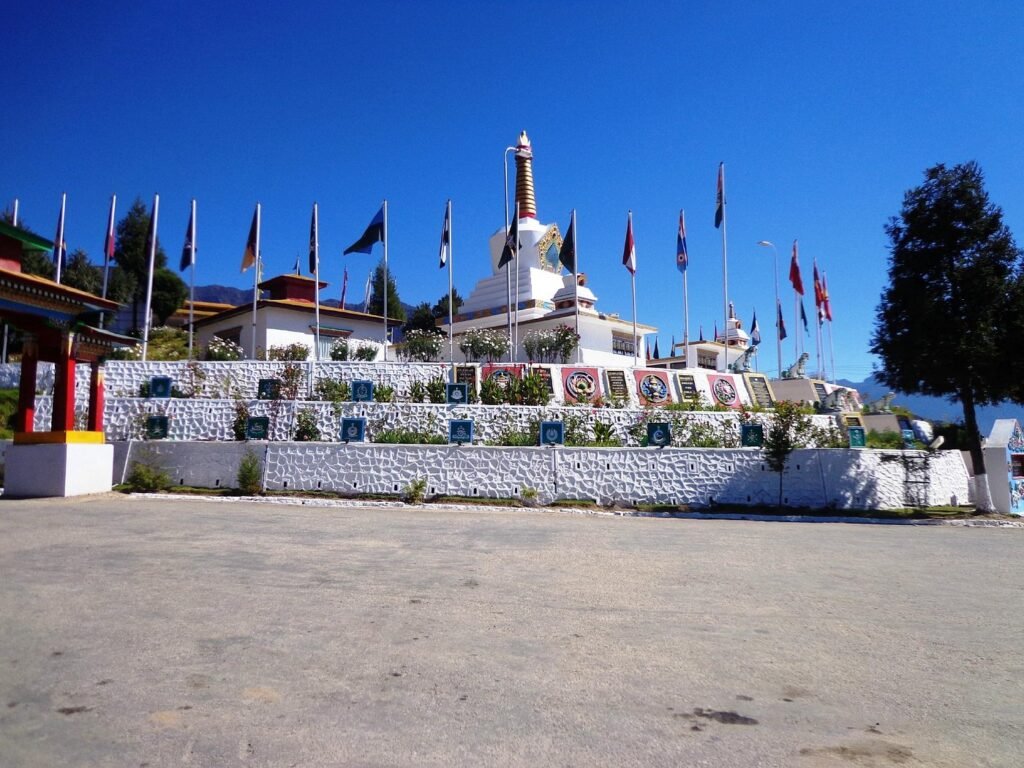
A short distance before reaching Sela Pass lies Jaswant Garh War Memorial, dedicated to Rifleman Jaswant Singh Rawat and his extraordinary courage during the 1962 Indo-China War. His inspiring story deserves a dedicated blog of its own.
Nuranang Falls
Also known as Jung Falls, Nuranang Falls plunges nearly 100 metres through lush forests, making it one of the most spectacular waterfalls in the Eastern Himalayas.
Gurudwara Teesri Udasi
Built against a towering rock face on the road to Sangetsar Lake, the Gurudwara Teesri Udasi is a little-known shrine welcoming travelers of every faith with warmth and humility. It marks a sacred stop where Guru Nanak Dev Ji meditated in a cave during his third major journey (Udasi) toward Tibet between 1514 and 1518 CE. It has the unique distinction of serving as both a Sikh Shrine and a Buddhist sacred site, reflecting the region’s enduring interfaith harmony.
The Giant Buddha
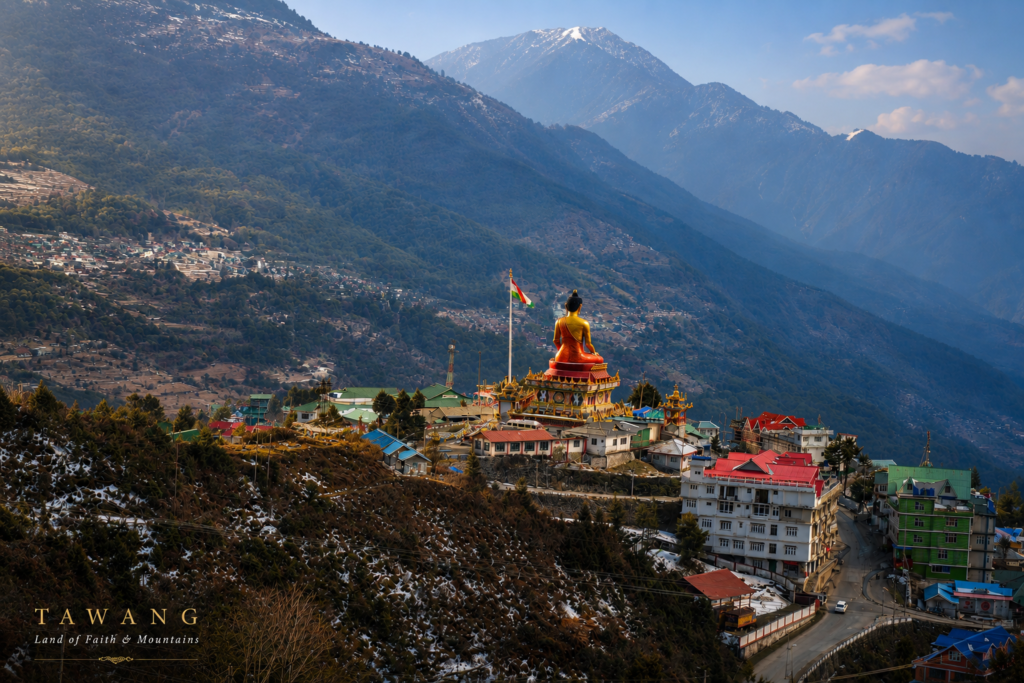
Standing gracefully above the town is the towering Giant Buddha Statue, visible from almost every corner of Tawang. Consecrated by H.E. Thegtse Rinpoche in 2015 it stands outside the iconic Tawang Monastery, serving as a modern symbol of peace, compassion and harmony. With the majestic Himalayas as its backdrop, the giant Buddha statue
radiates an extraordinary sense of calm.
Bazinga Insider’s tip: after visiting the Statue, please do take a walk behind the statue and join the free community lunch served inside the complex. It’s one of Tawang’s best kept secrets and a beautiful way to experience the warmth and generosity that defines the Himalayan town.
The Monpa People
The Monpas, the indigenous inhabitants of this high Himalayan region, have preserved their traditions for centuries. Their homes, festivals, handicrafts and hospitality reflect a culture rooted in compassion and harmony with nature.
Sangetsar (Madhuri) Lake
Known popularly as Madhuri Lake after the film Koyla, Sangetsar Lake was formed following the Great Assam Earthquake of 1950. Its crystal-clear waters, punctuated by submerged tree trunks, create one of the Himalaya’s most surreal landscapes.
How to Reach
By Air: Guwahati (best connectivity) or Tezpur, followed by a scenic road journey.
By Rail: Guwahati is the nearest major railway station.
By Road: Approximately 500 km from Guwahati via Bhalukpong, Dirang and Sela Pass, ideally over two days.
Best Time to Visit
March–May: Pleasant spring.
June–September: Monsoon greenery with possible landslides.
October–November: Crystal-clear skies and ideal weather.
December–February: Snow-covered landscapes with occasional road closures.
Travel Tips
Carry an Inner Line Permit (ILP), acclimatise gradually, pack warm clothing year-round, respect local customs and travel responsibly.
Why Visit Tawang?
Tawang is where history, spirituality, culture and nature come together. Some journeys end when you return home. A journey to Tawang quietly stays with you forever.